
The global aplastic anemia market is set for steady growth over the coming decade. Valued at US$ 6.7 billion in 2023, the market is expected to expand at a CAGR of 4.3% from 2024 to 2034, reaching US$ 10.8 billion by the end of the forecast period. Rising incidence of aplastic anemia, increasing clinical trials, and ongoing advancements in therapeutics are fueling the market’s expansion, offering new opportunities for pharmaceutical companies and healthcare providers.
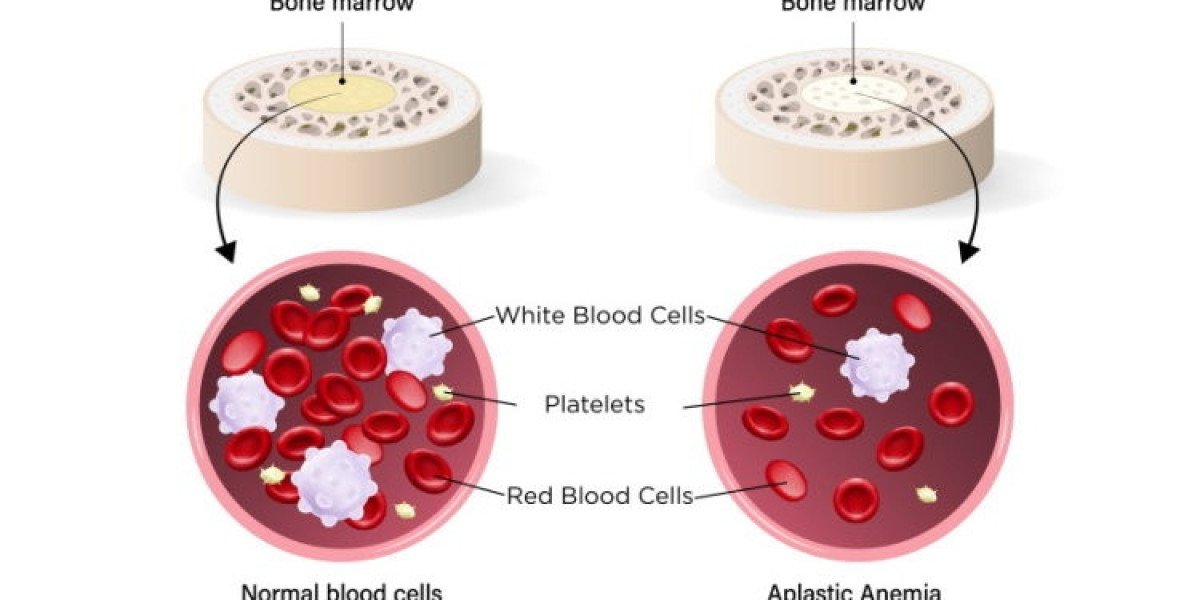
Aplastic anemia is a potentially life-threatening disorder characterized by the body’s inability to produce sufficient blood cells, resulting in pancytopenia and hypocellular bone marrow. The condition can be acquired due to viral infections, such as Epstein-Barr, hepatitis, parvovirus B19, cytomegalovirus, and HIV, or inherited through genetic factors. Common symptoms include fatigue, unexplained bruising, frequent infections, bleeding gums, nosebleeds, and shortness of breath during physical activity. As the immune system mistakenly attacks bone marrow cells in acquired aplastic anemia, patients face increased vulnerability to bleeding and infections.
Get Sample PDF Copy: https://www.transparencymarketresearch.com/sample/sample.php?flag=S&rep_id=86040
The growth of the market is strongly supported by an increase in the number of clinical trials aimed at evaluating the safety and efficacy of new drugs. Researchers are exploring multiple approaches, including immunosuppressive therapies, bone marrow transplantation, and novel combination treatments. Key therapeutics under investigation include romiplostim, cyclophosphamide, methylprednisolone, horse anti-thymocyte globulin, filgrastim, cyclosporine, and pegfilgrastim or its biosimilars. Studies on treosulfan-based conditioning regimens prior to blood or bone marrow transplants are also contributing to improved outcomes for patients with bone marrow failure diseases.
Technological and therapeutic innovations are improving survival rates and patient quality of life. The introduction of allogeneic stem cell transplantation and advanced immunosuppressive therapies has increased the five-year survival rates for patients, according to the National Institutes of Health. Regulatory support and faster approvals of novel drugs are further enhancing treatment accessibility, allowing more patients to benefit from state-of-the-art therapies.
Regionally, North America dominates the aplastic anemia market due to significant research activity and development of novel treatments in the U.S. and Canada. The region benefits from robust healthcare infrastructure, high awareness, and proactive regulatory frameworks that facilitate rapid adoption of innovative therapies. Meanwhile, Asia Pacific is experiencing growth due to a large population at risk, particularly in countries like India, where awareness campaigns and government initiatives support early diagnosis and treatment.
Key players in the global aplastic anemia market include Eisai Co., Ltd., Pfizer Inc., Sanofi S.A., Teva Pharmaceutical Industries Ltd., Novartis AG, Allergan plc, Merz Pharma GmbH & Co. KGaA, Johnson & Johnson Services Inc., F. Hoffmann-La Roche AG, AbbVie Inc., Takeda Pharmaceutical Company Limited, and Bayer AG. These companies focus on developing new therapeutics, conducting clinical trials, and gaining regulatory approvals to strengthen their market presence. Notable developments include the U.S. FDA approval of Enjaymo (sutimlimab-jome) in 2022 to reduce red blood cell transfusion requirements in adults with cold agglutinin disease.
In conclusion, the aplastic anemia market is positioned for sustained growth driven by rising disease prevalence, increased research and clinical trials, and continuous innovation in therapeutics. With improved treatment options, early diagnosis, and supportive regulatory environments, the market is expected to significantly enhance patient outcomes worldwide.