
The global Waterproofing Membranes Market was valued at US$ 30.6 Bn in 2024 and is projected to grow at a CAGR of 7.0% from 2025 to 2035, reaching US$ 64.4 Bn by the end of the forecast period. Strong expansion in infrastructure development, rapid urbanization, and increasing regulatory focus on sustainable construction are key factors propelling market growth.
Market Overview
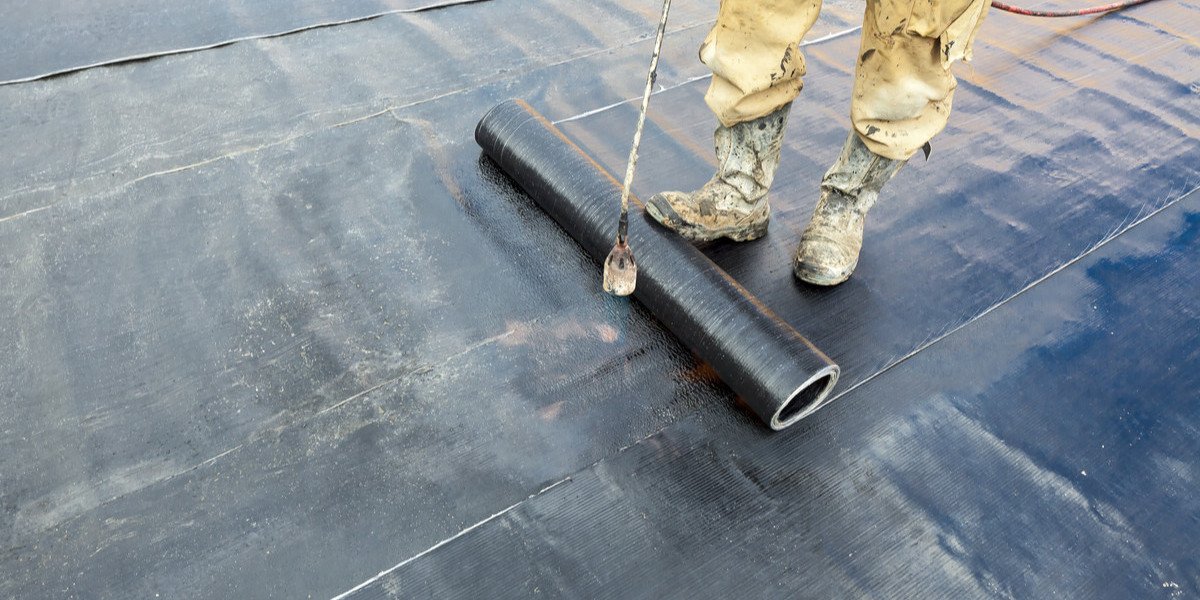
Waterproofing membranes are protective barriers designed to prevent water infiltration in buildings and infrastructure. These membranes include bituminous, PVC, TPO, EPDM, liquid-applied, and spray-on systems. They are widely used in roofing, basements, tunnels, landfills, bridges, and water management systems to enhance durability, structural integrity, and long-term performance.
With growing investments in smart cities, climate-resilient infrastructure, and sustainable construction practices, demand for advanced waterproofing systems is accelerating across both developed and emerging economies.
Key Market Drivers
Rapid Urbanization and Infrastructure Expansion
Emerging economies such as China, India, Indonesia, and Brazil are witnessing large-scale investments in commercial buildings, residential complexes, industrial facilities, highways, and metro systems. These projects require reliable waterproofing solutions to prevent structural deterioration caused by moisture intrusion, reinforcement corrosion, and internal damage.
Public-private partnership (PPP) models and build-operate-transfer (BOT) frameworks across Asia and Africa are further encouraging the adoption of durable and sustainable waterproofing materials in major infrastructure projects.
Get Sample PDF Copy Now: https://www.transparencymarketresearch.com/sample/sample.php?flag=S&rep_id=14309
Stringent Building Codes and Sustainability Standards
Global construction regulations and green building certifications such as International Code Council (developer of the International Building Code), U.S. Green Building Council (LEED certification), and Building Research Establishment (BREEAM certification) are significantly influencing material specifications.
These standards promote energy efficiency, moisture control, indoor air quality, and long-term sustainability. As a result, manufacturers are focusing on low-VOC, solvent-free, and recyclable membrane technologies to comply with environmental norms.
Material Insights
Bitumen membranes remain the dominant material segment due to cost-effectiveness, durability, and strong performance under varied climatic conditions. Widely used in roofing and foundation applications, bituminous membranes are particularly popular in Asia-Pacific, the Middle East, and Latin America where large-scale infrastructure projects prioritize cost efficiency.
Meanwhile, polymer-based membranes such as TPO, PVC, and EPDM are gaining traction for their enhanced flexibility, UV resistance, and longer service life.
Product Segment Analysis
Liquid-applied membranes are emerging as a prominent category due to their seamless application and adaptability to irregular surfaces. These systems reduce leakage risks associated with sheet seams and are increasingly preferred in retrofitting projects, balconies, and complex roof structures. Advances in polyurethane and acrylic-based formulations have improved elasticity, UV resistance, and environmental compliance.
Regional Insights
Europe leads the global market, accounting for approximately 35% of total share. Countries such as Germany, the U.K., and France are driving demand through strict building codes and strong emphasis on sustainable construction.
North America holds the second-largest share, supported by growing residential and commercial construction in the U.S. and Canada. Asia Pacific is expected to witness the fastest growth due to rapid urban development and expanding infrastructure investments.
Competitive Landscape
Leading companies in the waterproofing membranes market include BASF SE, Sika AG, Dow Inc., Pidilite Industries Ltd., GAF Materials Corporation, and Solmax.
Recent developments highlight industry consolidation and innovation. In 2023, Sika AG completed the acquisition of MBCC Group, significantly strengthening its waterproofing portfolio. In 2025, the company introduced the SikaShield hybrid modified-bitumen membrane in the U.S., emphasizing enhanced durability and simplified installation.
Outlook
The waterproofing membranes market is poised for sustained growth through 2035. Rising climate-related risks such as flooding and heavy rainfall, combined with expanding infrastructure needs and green building regulations, will continue to drive demand for high-performance, environmentally responsible waterproofing solutions. Strategic partnerships, localized manufacturing, and technology-driven service models will be central to gaining competitive advantage in the evolving market landscape.