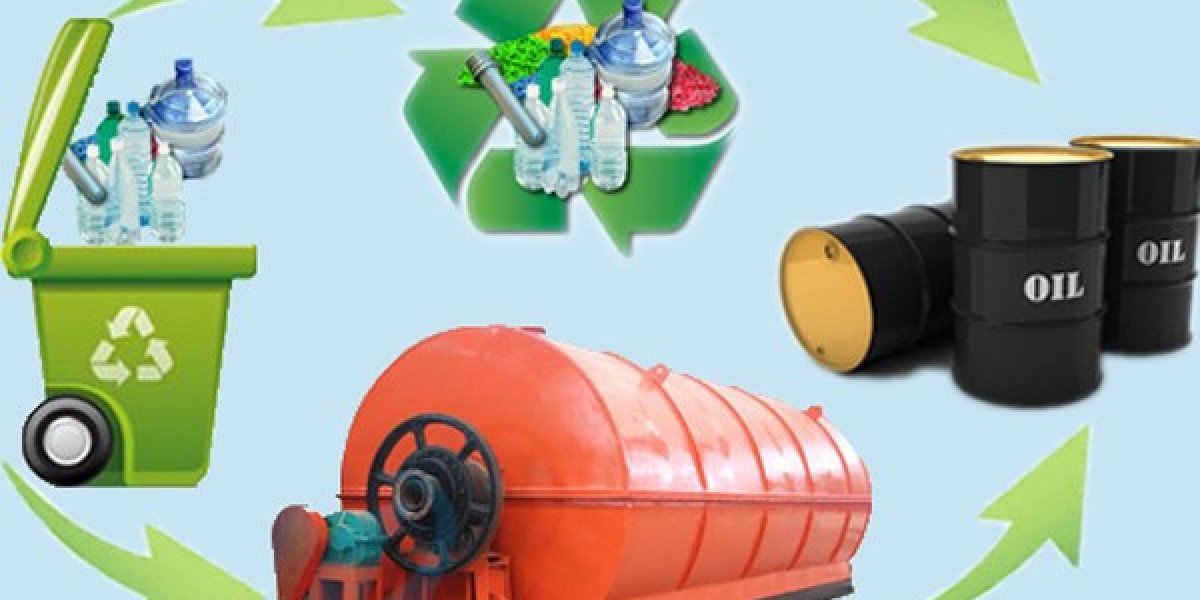

The global recycled plastic and plastic waste-to-oil market is entering a transformative growth phase, driven by intensifying regulatory mandates, rising corporate sustainability commitments, and rapid advancements in chemical recycling technologies. Valued at US$ 46.4 Bn in 2024, the market is projected to expand at a robust CAGR of 9.6% between 2025 and 2035, reaching an estimated US$ 127.2 Bn by the end of the forecast period.
At the core of this growth is the accelerating transition toward a circular economy. Traditional mechanical recycling methods have long struggled to process mixed, contaminated, or low-value plastics. Chemical recycling technologies—particularly pyrolysis and depolymerization—offer a viable alternative by converting end-of-life plastics into pyrolysis oil, monomers, and other feedstocks that can be reintegrated into petrochemical supply chains. This approach not only diverts plastic waste from landfills and incineration but also reduces reliance on virgin fossil-based raw materials.
Regulatory Pressure and Corporate Commitments Fuel Demand
Government regulations across Europe, North America, and Asia Pacific are reshaping the plastic value chain. The European Union’s circular economy policies, alongside recycled content mandates in packaging, are creating strong structural demand for advanced recycled feedstocks. Extended Producer Responsibility (EPR) frameworks in countries such as India further compel manufacturers to manage or finance plastic waste recovery.
Simultaneously, global consumer goods giants—including Unilever, Nestlé, and Coca-Cola—have pledged to incorporate 25–50% recycled plastic content in packaging by 2030. Achieving these targets often requires chemically recycled materials, particularly for food-grade and high-performance applications where mechanical recycling falls short. Mass balance certification systems such as ISCC+ are further strengthening market credibility and transparency.
Download Sample PDF Copy Now: https://www.transparencymarketresearch.com/sample/sample.php?flag=S&rep_id=5774
Technology Innovation and Strategic Alliances Accelerate Scaling
Technological advancements are significantly improving process efficiency and economic feasibility. Companies like Plastic Energy, Agilyx, Inc., and Brightmark LLC are commissioning commercial-scale pyrolysis facilities capable of processing tens of thousands of tons of plastic waste annually. Modular plant designs are helping reduce capital expenditure while enabling faster deployment.
Strategic collaborations between recyclers, petrochemical producers, refiners, and municipalities are also strengthening supply chains. Major energy firms such as Shell and OMV Aktiengesellschaft are partnering with recycling innovators to upgrade pyrolysis oil into virgin-equivalent petrochemical feedstocks. These partnerships secure stable feedstock streams and long-term offtake agreements, mitigating investment risks and enhancing scalability.
LDPE and HDPE Lead Feedstock Utilization
Among plastic types, low-density polyethylene (LDPE) and high-density polyethylene (HDPE) dominate the market due to their widespread use in packaging, films, and containers. As polyolefins, these materials are particularly suitable for pyrolysis, yielding high-quality hydrocarbon outputs compatible with fuel production and new polymer manufacturing.
Asia-Pacific Emerges as Market Leader
Regionally, Asia Pacific holds the largest market share—nearly 38.6%—supported by high plastic waste generation, rapid industrialization, and expanding recycling infrastructure in China, India, and Southeast Asia. Europe follows closely, driven by stringent regulatory frameworks and strong corporate sustainability initiatives.
Overall, the recycled plastic and plastic waste-to-oil market is transitioning from a niche environmental solution to a mainstream industrial strategy. As regulatory alignment, technological innovation, and cross-sector partnerships converge, advanced recycling is poised to play a pivotal role in redefining global plastic value chains and advancing circular economy goals.