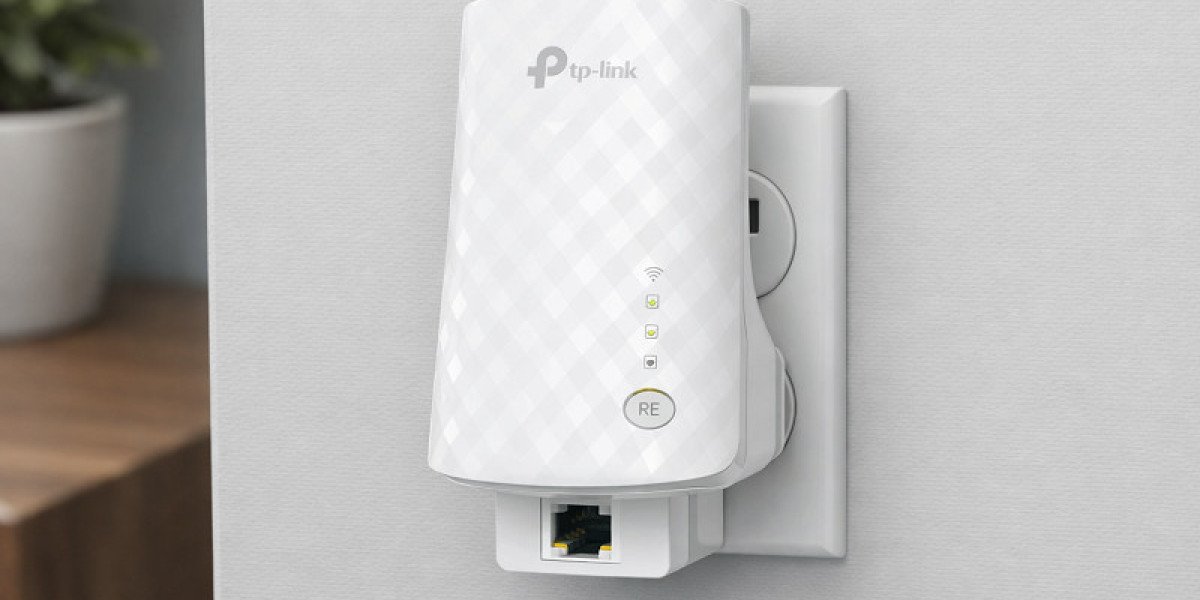

For good cause, the term "TP-Link Extender Hacked" has recently alarmed a lot of home and small business customers. Although WiFi extenders are intended to increase coverage, hackers may be able to get access to them if they are exploited. Protecting your network and personal information requires an understanding of what this implies, how it occurs, and how to solve it.
What Is Meant by "TP-Link Extender Hacked"?
Hacking a TP-Link extender typically results in illegal access to the firmware or admin settings of the device. Hackers may steal login passwords, alter DNS settings, reroute traffic to harmful websites, or utilize your network for illicit purposes. Users sometimes don't know there's a problem until they see odd pop-ups, sluggish internet, or unusual gadget behavior.
How Can a TP-Link Extender Be Hacked?
Among the most typical reasons are:
Default or weak admin passwords
Firmware that is outdated and has known vulnerabilities
Incorrect configuration of the TP-Link wifi extender
Remote control is still enabled.
Using open, unprotected networks while setting up
The tp-link wifi extender is an obvious target since many users speed through the setup procedure and neglect to adequately safeguard the admin panel.
Indications That Your TP-Link Extender Could Be Vulnerable
You are unable to log in with your regular login information.
You are unaware that the WiFi name or password has changed.
Extremely sluggish speeds or frequent disconnections
Browser reroutes to dubious websites
Your TP-Link Extender Hacked scenario requires quick action if you see these symptoms.
How to Resolve a TP-Link Extender Hack
Reset the Extender from the factory
To restore default settings and eliminate unlawful customizations, use the reset button.
Firmware update
To fix security issues, go to the official TP-Link support website and update the most recent firmware.
Protect the Administrator Login
Make a strong, one-of-a-kind admin password while configuring TP-Link wifi extender setup.
Turn off remote management
To avoid external assaults, disable remote access unless absolutely essential.
Change the WiFi settings. Safely
Don't use default SSIDs or passwords; instead, use WPA2 or WPA3 encryption.
Stopping Attacks in the Future
Update firmware often, keep an eye on linked devices, and occasionally check security settings to prevent another TP-Link Extender Hacking incident.
Your first line of protection is to set up a tp-link wifi extender carefully and securely.
Network security is crucial in the connected world of today. You can make sure your TP-Link extender works for you rather than against you by following these instructions. Visit our website to know more.