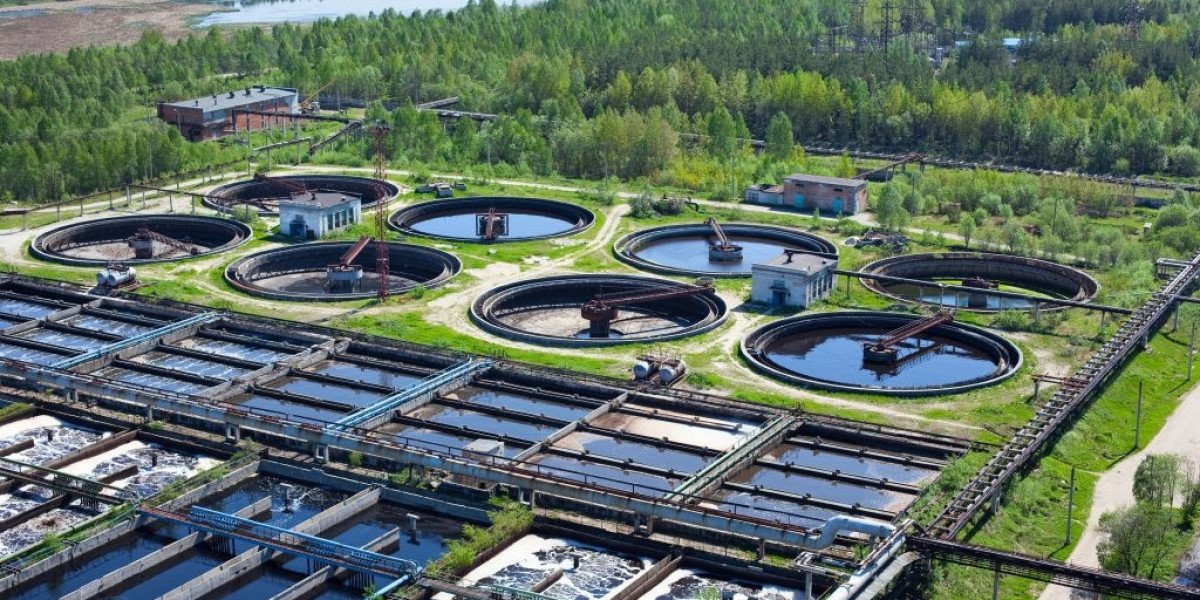

The Southeast Asia industrial water and wastewater treatment market is witnessing steady growth, driven by increasing industrialization, rising environmental concerns, and strong regulatory frameworks. Valued at US$ 18.1 billion in 2022, the market is projected to reach US$ 33.2 billion by 2031, expanding at a CAGR of 7.1% during the forecast period. This growth reflects the region’s urgent need to address water pollution and ensure sustainable industrial practices.
Rising Environmental Concerns Driving Market Growth
One of the primary factors fueling market expansion is the growing concern over water pollution caused by industrial activities. Industries such as chemicals, pharmaceuticals, oil & gas, and mining generate large volumes of wastewater containing harmful contaminants. Without proper treatment, this wastewater can severely damage ecosystems and public health.
Governments across Southeast Asia are implementing stricter environmental regulations, compelling industries to adopt advanced water treatment technologies. Additionally, companies are increasingly aligning with corporate social responsibility (CSR) goals, prioritizing sustainability and environmental protection. This shift is significantly boosting the adoption of wastewater treatment solutions.
Increasing Focus on Water Reuse and Recycling
Water scarcity is becoming a critical issue in several Southeast Asian countries. As a result, industries are turning toward water reuse and recycling systems to optimize resource utilization. Advanced treatment technologies now enable industries to purify wastewater and reuse it in operations, reducing dependence on freshwater sources.
This growing awareness of water reuse not only helps industries lower operational costs but also supports long-term sustainability goals. Consequently, demand for innovative water treatment solutions, including filtration, purification, and recycling technologies, is rising across the region.
Get Sample PDF: https://www.transparencymarketresearch.com/sample/sample.php?flag=S&rep_id=85712
Industrial Expansion and Infrastructure Development
Rapid economic growth in Southeast Asia has led to a surge in industrial activities and infrastructure development. Countries such as Thailand, Indonesia, Vietnam, and the Philippines are experiencing significant growth in manufacturing sectors, which in turn increases the demand for industrial water treatment systems.
Government investments in sustainable infrastructure further support market growth. For instance, initiatives aimed at improving urban water management and promoting clean technologies are creating new opportunities for market players. These developments are expected to drive the adoption of smart and efficient water treatment systems across industries.
Key Role of Chemical and Pharmaceutical Industries
Among various end-users, the chemical and pharmaceutical sectors are expected to dominate the market. These industries produce complex wastewater characterized by high toxicity, poor biodegradability, and varying chemical compositions. Effective treatment is essential to prevent environmental damage and comply with regulatory standards.
The need to manage hazardous waste and ensure safe disposal is pushing these industries to invest heavily in advanced treatment solutions. This trend is likely to significantly contribute to overall market growth in the coming years.
Country-wise Market Insights
Thailand is anticipated to hold a leading share in the Southeast Asia industrial water and wastewater treatment market. The country’s strong manufacturing base and strict environmental regulations are key factors driving demand for treatment solutions.
Meanwhile, Singapore, Indonesia, Vietnam, and the Philippines are expected to witness steady growth. Increasing industrialization, combined with a focus on cost efficiency and sustainable practices, is encouraging industries in these countries to adopt modern water treatment technologies.
Competitive Landscape and Key Developments
The market is highly competitive, with the presence of both global and regional players. Companies are focusing on research and development, product innovation, and strategic collaborations to strengthen their market position. Expansion of manufacturing facilities and introduction of advanced technologies are common strategies among leading players.
Recent developments highlight the industry’s commitment to innovation and sustainability. Companies are launching integrated and energy-efficient treatment systems, as well as investing in carbon management and renewable solutions to align with global environmental goals.
Conclusion
The Southeast Asia industrial water and wastewater treatment market is poised for significant growth over the next decade. Driven by environmental regulations, industrial expansion, and the increasing need for sustainable water management, the market offers substantial opportunities for technology providers and service companies.
As industries continue to prioritize efficiency and sustainability, the adoption of advanced water treatment solutions will become essential. This evolving landscape positions Southeast Asia as a key region for innovation and investment in industrial water management.