
Bio-Based Construction Polymers Market: Growth, Trends, and Future Outlook (2024–2030)
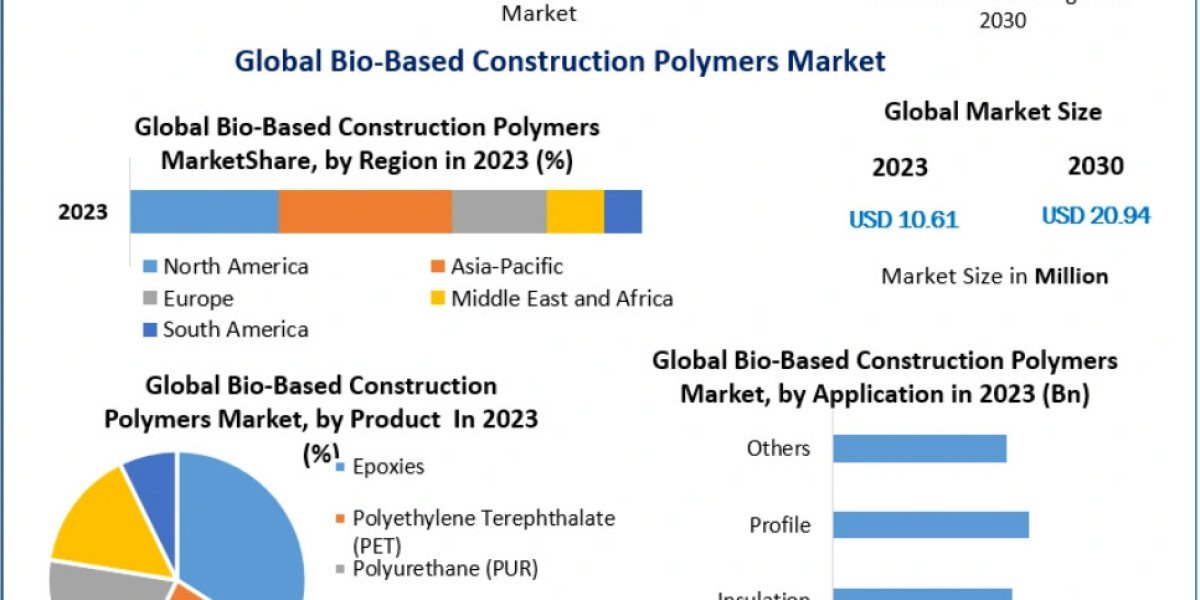
The global Bio-Based Construction Polymers Market is gaining strong momentum as sustainability becomes a central focus in the construction industry. Valued at USD 10.61 million in 2023, the market is projected to grow at a CAGR of 10.2%, reaching nearly USD 20.94 million by 2030. This growth reflects a broader shift toward eco-friendly materials and reduced dependence on fossil-fuel-based polymers.
What Are Bio-Based Construction Polymers?
Bio-based construction polymers are materials derived from renewable resources such as plant biomass, starch, and natural fibers. Unlike traditional petroleum-based polymers, these materials offer lower carbon emissions, improved sustainability, and reduced environmental impact, making them increasingly attractive for modern construction applications.
To know about the Research Methodology :https://www.maximizemarketresearch.com/request-sample/87730/
Key Market Drivers
? Rising Demand for Sustainable Construction
The global construction sector is rapidly embracing green building practices. Bio-based polymers are being widely adopted for their low environmental footprint and compliance with sustainability standards.
?️ Expansion of Infrastructure Projects
Emerging economies, especially in Asia-Pacific, are witnessing massive infrastructure growth, boosting demand for innovative and eco-friendly construction materials.
⚖️ Government Regulations & Policies
Governments worldwide are promoting environmentally friendly materials through incentives, regulations, and sustainability mandates, accelerating market growth.
Market Challenges
Despite promising growth, the market faces some hurdles:
- High Production Costs compared to petroleum-based polymers
- Limited Awareness in developing regions
- Established Dominance of Traditional Materials
Addressing these challenges will be crucial for long-term adoption.
Emerging Opportunities
- Increased R&D Investments in advanced bio-based materials
- Development of cost-effective production technologies
- Growing adoption in green buildings and smart cities
These factors are expected to unlock significant growth opportunities over the forecast period.
Segment Analysis
? By Product
- Epoxies dominate the market due to their extensive use in:
- Paints & coatings
- Adhesives
- Wood and concrete repair
- Other key segments include:
- Polyethylene Terephthalate (PET)
- Polyurethane (PUR)
- Cellulose Acetate (CA)
Epoxies are expected to maintain their lead due to strong demand from insulation and protective coating applications.
? By Application
- Pipes Segment leads the market
- Widely used in pipe fittings and insulation systems
- Driven by urbanization and infrastructure development
Other applications include insulation, profiles, and various construction components.
To know about the Research Methodology :https://www.maximizemarketresearch.com/request-sample/87730/
Regional Insights
? Asia-Pacific Leads the Market
Asia-Pacific accounts for over 30% of global demand and is expected to remain dominant through 2030.
Key growth factors:
- Rapid urbanization in India and China
- Increasing investments in infrastructure
- Rising environmental awareness
Other regions such as North America and Europe are also witnessing steady growth due to strict environmental regulations and green building initiatives.
Competitive Landscape
The market is moderately competitive with key players focusing on innovation, partnerships, and sustainability strategies.
Major Companies Include:
- PolyOne Corporation
- TEIJIN
- Bio-On SpA
- E. I. du Pont de Nemours and Company
- Toyobo Co., Ltd.
- NatureWorks LLC
- Evonik Industries
- BASF SE
- SK Chemicals
- Mitsubishi Gas Chemical Company, Inc.
- Tate & Lyle
- Hiusan Biosciences
- Kaneka TEPHA
- Synbra
- Metabolix
These companies are investing heavily in bio-based technologies and expanding their global footprint.
Impact of COVID-19
The COVID-19 pandemic had a mixed impact on the market:
- Short-term disruptions in supply chains and manufacturing
- Long-term acceleration in demand for sustainable and resilient construction materials
Companies are now focusing on localized supply chains and innovation-driven growth strategies.
Future Outlook
The Bio-Based Construction Polymers Market is set to experience steady and sustainable growth driven by:
- Environmental concerns
- Technological advancements
- Policy support for green construction
As the construction industry continues to evolve, bio-based polymers will play a crucial role in shaping a more sustainable and eco-friendly future.