
High-speed rail technology has emerged as a defining feature of modern transportation, reshaping how people and goods move across regions. The growing demand for efficient and eco-friendly transit solutions has significantly boosted the adoption of High-Speed Electric Trains worldwide. These advanced systems are designed to operate at significantly higher speeds compared to traditional rail, offering seamless connectivity between cities while reducing travel time.
One of the primary advantages of high-speed electric trains is their environmental sustainability. Powered by electricity, these trains produce fewer emissions compared to conventional diesel-powered locomotives. As governments and organizations focus on reducing carbon footprints, investments in electrified rail infrastructure have increased. High-speed networks not only minimize greenhouse gas emissions but also contribute to energy efficiency through regenerative braking and optimized energy consumption systems.
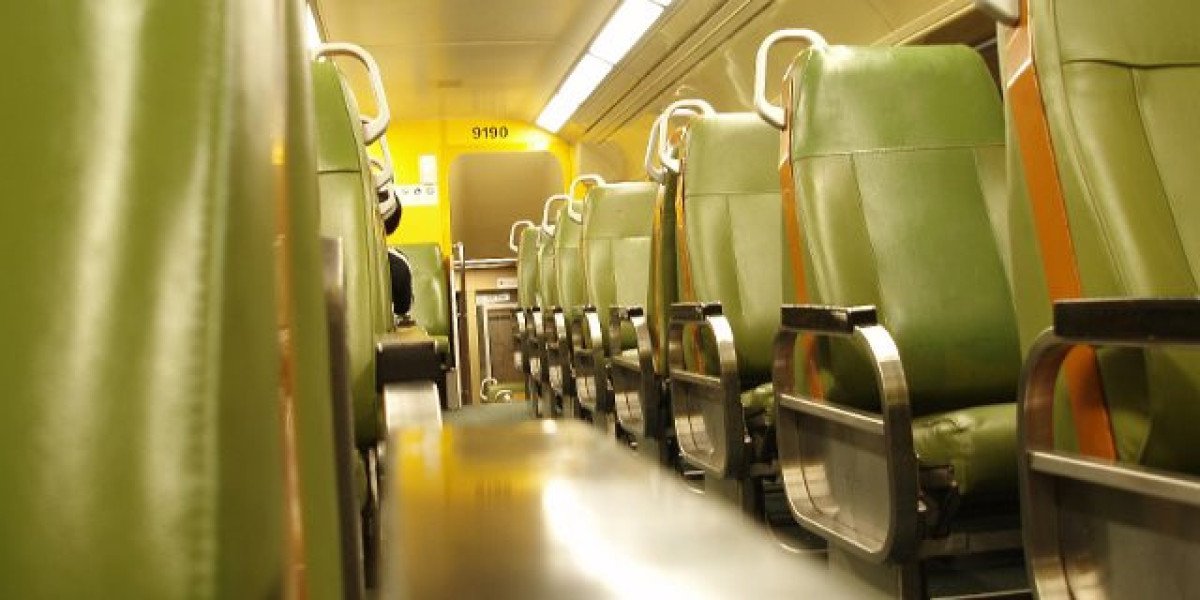
Technological advancements play a crucial role in the growth of high-speed rail. Innovations such as aerodynamic train designs, advanced signaling systems, and dedicated high-speed tracks ensure safety and reliability. Modern trains are equipped with cutting-edge passenger amenities, including comfortable seating, onboard connectivity, and improved safety features, enhancing the overall travel experience.
Another significant factor driving the expansion of high-speed electric trains is urbanization. As cities grow and populations increase, there is a greater need for efficient intercity transportation. High-speed trains provide an effective solution by connecting metropolitan areas with suburban and rural regions, promoting economic development and regional integration.
Governments across various countries are heavily investing in high-speed rail projects to strengthen national infrastructure. These investments are often part of broader strategies to improve mobility, reduce road congestion, and support sustainable development goals. Public-private partnerships are also playing a key role in financing and implementing these large-scale projects.
Despite their numerous advantages, the development of high-speed rail networks comes with challenges. High initial costs, complex construction requirements, and land acquisition issues can hinder project timelines. However, long-term benefits such as reduced travel time, increased economic activity, and environmental sustainability often outweigh these challenges.
In conclusion, high-speed electric trains represent the future of modern transportation. With continuous technological advancements and increasing global investments, these systems are set to redefine mobility and contribute significantly to sustainable development.
More Related Reports:
Front And Rear Ac Thermal System Market
Fuel Cards For Commercial Fleet Market